



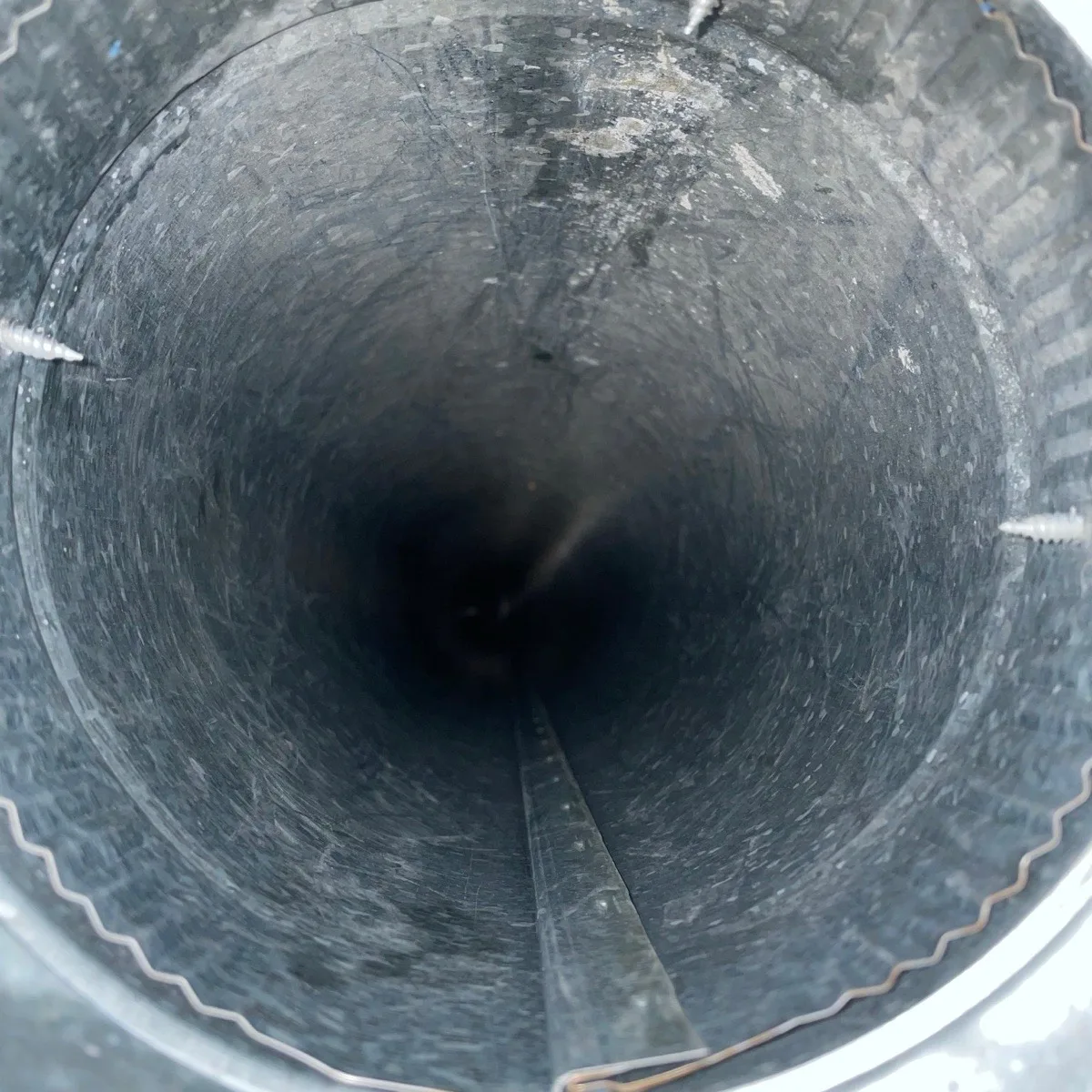
If you've gotten a quote from a duct cleaning company, there's a good chance someone offered to add "fogging" for an extra charge. It gets described as a disinfection upgrade — a way to kill mold, bacteria, and odors deep in your ductwork. It sounds reasonable. Here's what's actually going on.
What Is Duct Fogging?
Fogging is the process of spraying a chemical biocide or ozone directly into your ductwork to kill germs and microorganisms. A biocide is a chemical substance intended to destroy harmful organisms by chemical or biological means. Chemical biocides are regulated under Federal pesticide law.
Ozone is classified as a biocide. Some companies use ozone generators, others use liquid chemical sprays.
What the EPA Actually Says
The EPA's position on chemical biocides in ductwork is cautious. There isn't strong research on the effectiveness of using these products inside air ducts. What is known:
- Even mild biocides can cause lung and skin irritation in some people
- Chemical biocides and ozone cannot be used inside fiberglass-lined vents or ducts made with fiberglass duct board — a common material in residential homes
- Some chemical biocides can be used on bare sheet metal, but may require rinsing with water afterward
- Rinsing with water inside ductwork can promote mold growth
Bottom line from the EPA: The agency says you should be cautious about allowing the use of chemical biocides, ozone, or sealants in your ducts, and recommends making sure any product used is appropriate for the specific duct material in your home.
Why Four Seasons Doesn't Offer Fogging
We've thought about this carefully over the years. Our position: air duct cleaning should benefit your health — not introduce potential risks to it.
Our customers notice a genuine improvement in their air quality through thorough physical removal of dust, debris, and contaminants using negative air and whips. We incorporate Young Living essential oils — a plant-based, safe solution — rather than chemical biocides. The goal is cleaner air, not a chemical treatment that could cause respiratory irritation in the very people we're trying to help.
If You're Considering Fogging Anyway
If a company is recommending fogging, ask them to:
- Show you specifically why they believe it's warranted — what did they find that makes fogging appropriate?
- Identify the exact product and its EPA registration number
- Confirm the product is approved for use in the specific duct material in your home (sheet metal vs. fiberglass)
- Explain whether rinsing is required afterward and how that will be handled
And remember: fogging should never be done in fiberglass-lined vents under any circumstances. If a company offers a blanket fogging upsell without inspecting your duct material first, that's a red flag.
The Better Approach
A thorough cleaning with whips and negative air removes the physical contaminants that cause odors and air quality issues. In most cases, that's all that's needed. If there's actual mold growth inside ductwork, that's a different situation that requires proper remediation — not a chemical spray.
We'd rather do the job right than sell you an add-on of questionable value.