



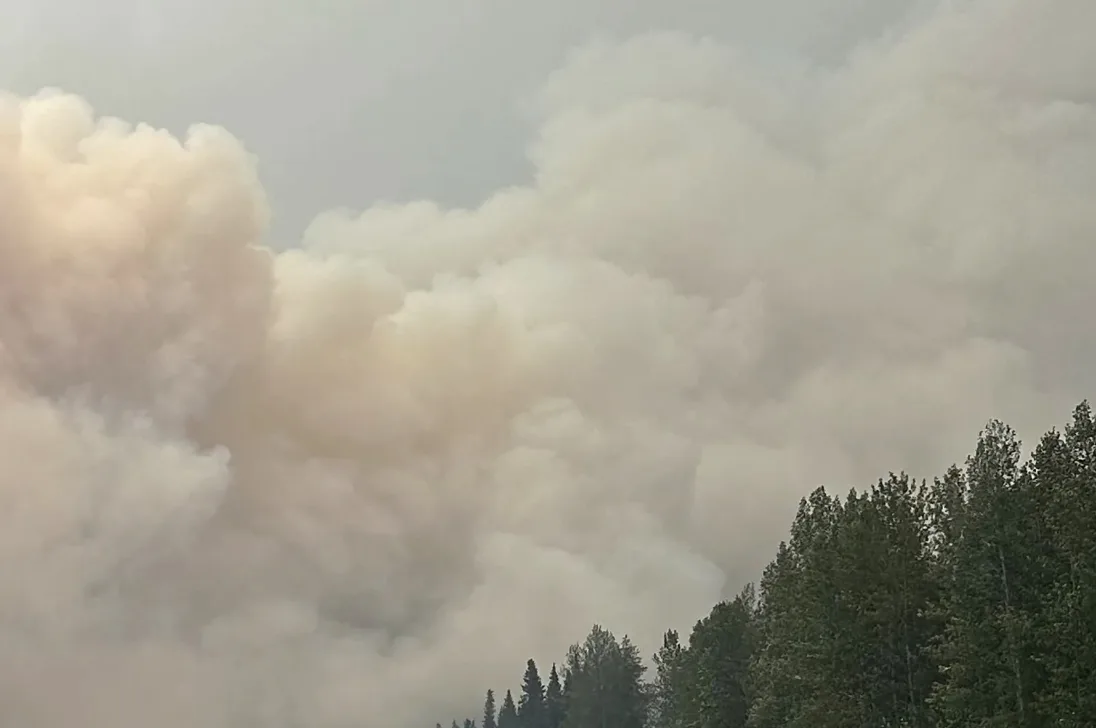
Wildfire smoke from western states now reaches Minnesota every summer, sometimes for days at a time. The microscopic particles in smoke — known as PM2.5 — are small enough to pass deep into your lungs and are particularly harmful to people with heart or lung conditions, the elderly, children, and pregnant women.
Your home isn't sealed. But your HVAC system, used correctly, is your best tool for keeping indoor air cleaner when smoke is heavy outside.
Start With the Right Filter
If you're running a standard fiberglass or basic blue furnace filter, it won't catch smoke particles. You need a higher-efficiency pleated filter that traps fine particles.
We recommend 3M Filtrete filters, specifically the Micro Allergen Reduction series (red packaging) or higher. Look for a filter with a MERV rating of 10 or above. These are widely available at Target, Home Depot, and Menards.
Important: If you upgrade to a higher-MERV filter, make sure your furnace can handle it. Higher-MERV filters restrict airflow more than basic filters. Check your furnace manual or call the manufacturer — most modern furnaces handle MERV 10–13 fine, but older or lower-efficiency units may not.
How to Use Your HVAC During Smoke Events
- Keep windows and doors closed — obvious, but it matters. Seal drafts around doors with towels or foam weatherstripping if needed.
- Run your AC or set your thermostat to "fan on" — this circulates air through the filter continuously. AC mode is better because it also dehumidifies. If you don't have AC, fan-only mode still filters the air.
- Do NOT use the "fresh air" setting if your HVAC has one — that pulls in outside air, which is exactly what you're trying to avoid during a smoke event.
- Close fireplace dampers if you have a wood-burning fireplace — smoke can enter through open dampers even when you're not using it.
Seal Obvious Drafts
Smoke finds every gap. Common entry points in Minnesota homes include: under exterior doors, around older window frames, gaps around electrical outlets on exterior walls, and dryer vent backdraft dampers that don't seat properly.
A rolled towel under a drafty door and closed blinds or curtains (which reduce convection near windows) make a meaningful difference during heavy smoke periods.
After the Smoke Clears
Once air quality improves, replace your furnace filter. Smoke particles load up filters quickly — running a smoke-saturated filter circulates captured particles back into your air. Also consider opening windows and ventilating the home thoroughly once outside air quality is back to normal.
If you had extended heavy smoke exposure and haven't had your ducts cleaned in several years, that's worth considering. Smoke particles that get through your filter do accumulate in ductwork over time.
Who's Most at Risk
The EPA recommends extra precautions for people with heart or lung disease, older adults, children, and pregnant women. If you fall into these categories, take smoke events seriously and stay indoors as much as possible on heavy smoke days. Monitor your local air quality index — the Minnesota Pollution Control Agency publishes real-time AQI data at pca.state.mn.us.